

A blank page does not tell the whole story
A child can invent an extraordinary adventure on the way home, then sit in front of a notebook with nothing on the page. Another can explain exactly why a science experiment surprised them but struggle to write the first sentence. It is tempting to respond with more encouragement: keep going, try harder, just write something.
Ask which part they’d like help with. They might have plenty of ideas and need a hand getting them in order. Another child might know the sentence they want and need a different way to get it onto the page.
This guide offers seven practical ways to support children, particularly primary-aged learners, at home and school. The examples are adaptable for older pupils too: use an age-respectful topic and materials. They do not diagnose a writing difficulty or replace planned teaching. The aim is to make the next step clear while keeping the child’s ideas at the centre.
Start here: ask, “Have you got an idea that is hard to get down, or are you still looking for an idea?” Accept a gesture, drawing or communication aid as an answer. There is no need to turn that question into another test.
What the guidance says — and what this article suggests
England’s national curriculum for English distinguishes transcription, including spelling and handwriting, from composition: developing and organising meaning. It includes planning, revising and evaluating writing. This is a useful distinction when deciding what a child needs to practise.
The Department for Education’s writing framework summary, updated on 10 July 2025, explains that writing makes substantial demands on working memory. It supports composing orally as children develop transcription, and warns against expecting long pieces before the foundations are ready. These are England-specific curriculum and guidance references; education arrangements differ across the UK.
The activities below are our editorial suggestions for putting manageable steps into everyday learning. They are not a prescribed government programme or evidence that a particular activity works for every child. Choose one change, watch how the child responds and review it with them.
1. Find the sticking point before choosing the support
Use a familiar, concrete task: explain how to make a favourite sandwich, describe a game or retell a short event. Notice what happens without repeatedly prompting. Does the child have something to communicate? Can they select what comes first? Does the idea disappear while they search for a spelling? Is the recording method comfortable and usable?
You can ask, “Which bit shall we help with first?” Offer two possibilities rather than a long list. For example, “Would it help to choose a picture, or shall I show you how to start?” Avoid assuming that a diagnostic label tells you the answer. Two children with the same identified need can want different support.
Agree a purpose small enough to see. “Tell our reader why the bridge closed” is more useful than “do some writing”. If the lesson is about explanation, an adult recording a child’s words can reveal their understanding. If the lesson is about spelling a particular pattern, the child needs a suitable opportunity to practise that skill. Be clear about which goal you are working on.
2. Let the idea exist before asking for polished sentences
Offer a simple way to hold an idea outside the child’s head. That might be a quick sketch, three picture cards, a few key words, objects placed in order or an audio note on a school-approved device. A plan does not need to be attractive enough for display.
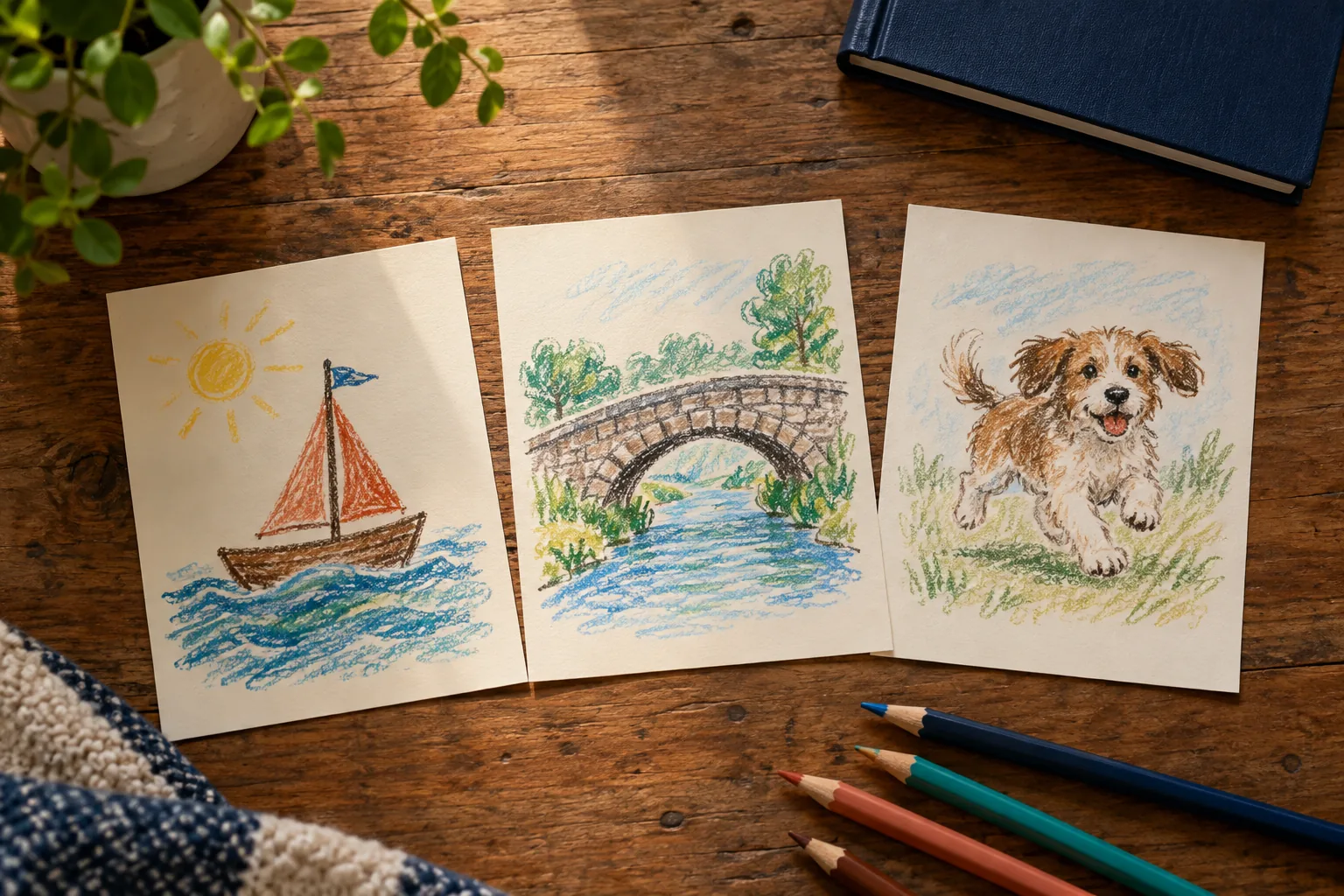
For an invented story, try three prompts: who is involved, what happens, and what changes? A child might draw a dog, a closed bridge and a boat. Ask them to explain the connection in their preferred way. If they want a fourth picture, add it; three is a starting point, not a rule about story structure.
For a factual explanation, use a different shape of plan. Arrange pictures of the equipment, action and result. For an opinion, collect the view and one reason. Match the support to the purpose rather than using a story frame for every kind of writing.
Keep drawing optional. A child who finds drawing frustrating should not have to complete a second difficult task before reaching the first one. You can draw a simple symbol they choose, offer existing pictures or write their selected key words.
3. Rehearse one useful sentence, with communication choices
Invite the child to try one sentence before recording it. They might say it, sign it, build it with their usual communication system or dictate it to an adult. Spoken rehearsal is an option, not a requirement to speak publicly or repeat a sentence until an adult likes it.
For our imaginary bridge story, a first attempt could be: “The dog could not get across.” Respond to the meaning: “So the bridge is a problem for the dog.” Ask whether that is what they want their reader to know. Then record that sentence, or a shorter version the child approves.
If an audio note helps, keep it brief enough to find the relevant idea again. Follow your setting’s arrangements for devices, recording and storage; avoid putting children’s recordings into unfamiliar online tools. A pencil, picture or familiar communication board may be simpler.
Some children prefer to begin directly on paper or a keyboard. Do not add rehearsal because it appears in a checklist. The question is whether it makes the task more accessible for this learner today.
4. Model the decision, then hand it back
“Write a better sentence” does not show a child how. Make one decision visible instead. On your own example, explain: “My reader does not know where this happened. I am going to add the place.” Add a short phrase, then reread it to show what changed.
Use a different example from the child’s so that copying is not the only route to success. If they are writing about the dog at the bridge, model a cyclist outside a closed shop. Show the process and invite them to decide whether their reader needs similar information.
The Education Endowment Foundation’s explanation of scaffolding, published on 22 September 2022, describes support that is adjusted and removed when it is no longer needed. It can be visual, verbal or written. A frame is one possibility, not the definition of support.
In practice, offer the smallest useful prompt, give time to respond, and increase support if needed. Later, ask whether the child still wants the prompt. Removing a temporary sentence starter is different from withdrawing an ongoing access tool, such as a child’s communication system. Independence can include choosing and using appropriate tools.
5. Choose a recording method that serves the learning
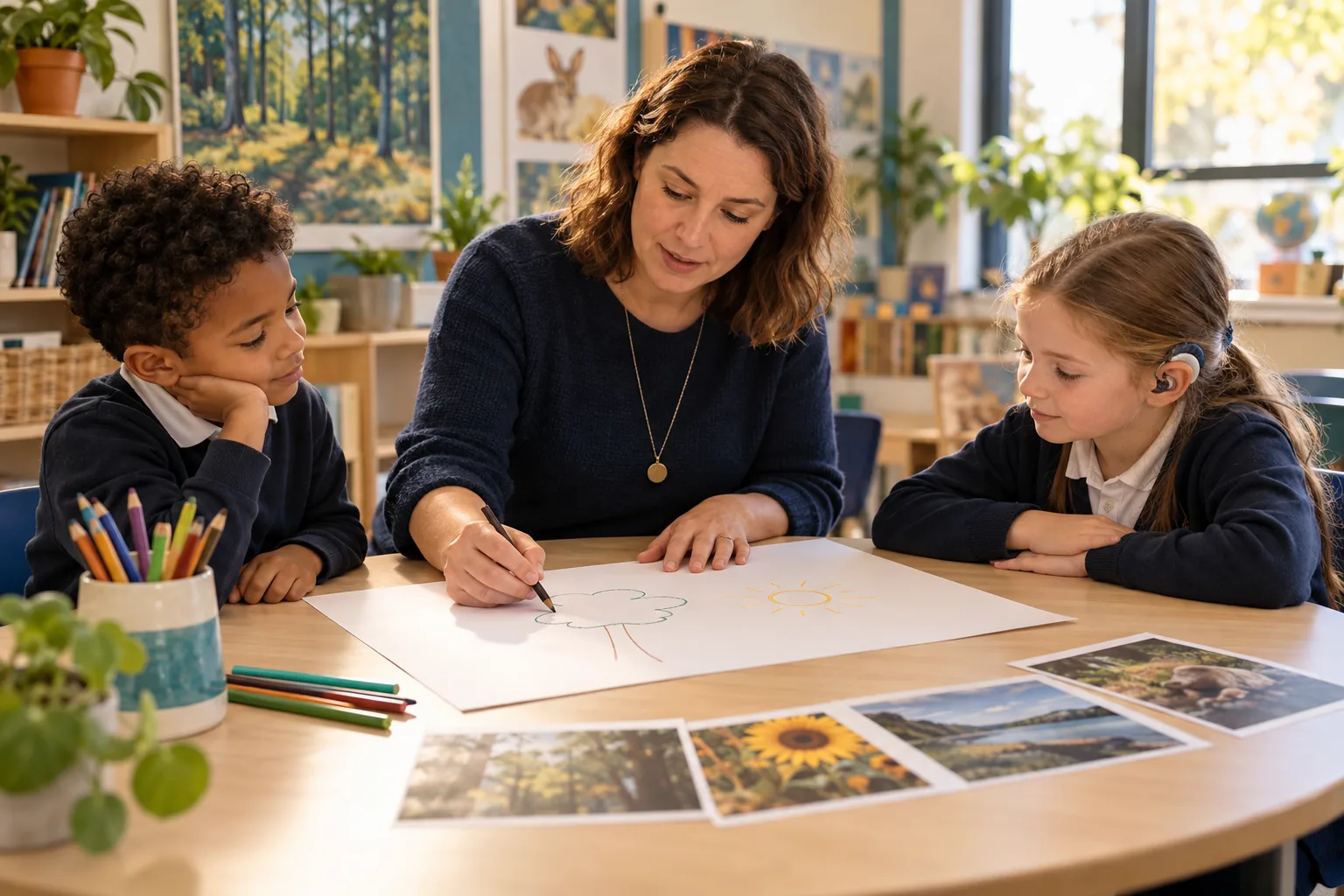
Handwriting, typing, selecting words, dictating and adult scribing can each have a place in a planned activity. None automatically makes the task easy. A keyboard can introduce unfamiliar navigation; dictation can require editing; a scribe can accidentally take over the author’s choices.
When scribing, keep the child’s meaning and check changes with them. You might ask, “You said the boat wobbled. Shall I keep that?” Do not quietly replace their sentence with your own more elaborate version. If an adult has recorded it, make that support clear when sharing the work with a teacher.
For home learning, ask the teacher which parts the child should complete independently and which alternatives fit the task. A photograph of a plan or a short dictated explanation may show useful thinking, but it may not answer a specific handwriting or spelling objective. Agree the approach rather than making the child repeat the entire piece later.
Keep direct teaching of transcription in the wider plan. Access to an interesting topic and practice of a developing skill can both matter; they do not have to compete in every minute of a lesson. Choose an achievable recording target alongside the idea being explored.
6. Make the finish visible without making speed the test
A whole empty page can leave the endpoint unclear. Agree a specific first piece: a caption explaining the picture, two connected sentences or one reason with an example. Pick the amount according to the learner and purpose, rather than treating these quantities as age expectations.
Explain what happens afterwards. “First we will get the reason down. Then we will read it back and decide whether the reader understands.” Offer a pause when needed. A timer may suit some children, but do not use a countdown if it adds pressure.
Separate the planning space from the final piece if that helps. Loose cards can be moved without crossing out a page. A larger writing area may make editing easier; a smaller visible task may help another child. Ask which arrangement they prefer and keep the layout uncluttered.
For older learners, retain worthwhile content. Planning a game review, explaining a design choice or writing to a real audience can offer a clear reason to communicate. A learner needing support with recording does not automatically need younger-looking pictures or a less interesting question.
7. Review one thing, with the child still in charge
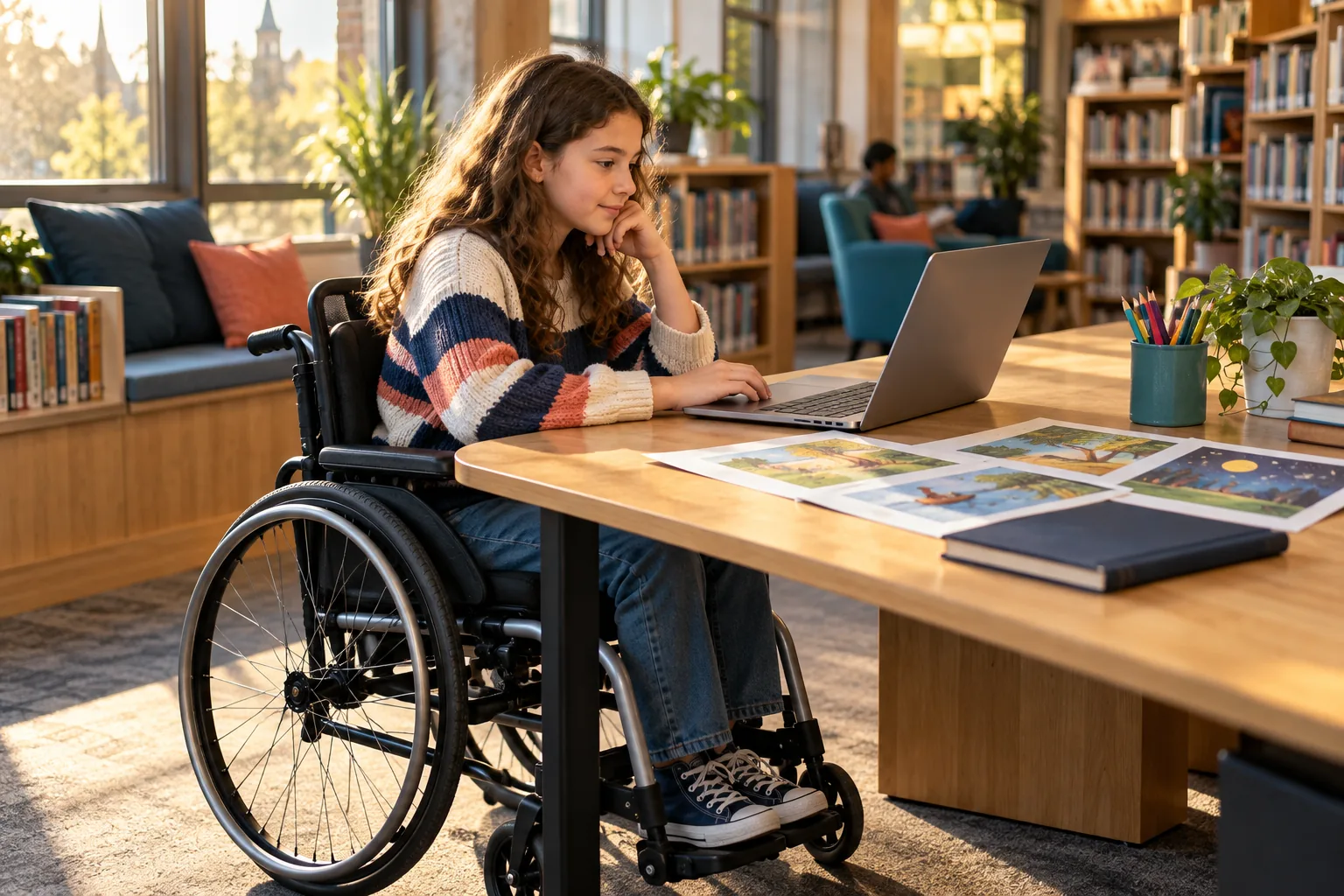
When a first attempt is finished, begin with what it communicates. “I can tell why the bridge was a problem” gives information about meaning. Then choose one agreed focus: a missing detail, sentence ending or spelling pattern that has already been taught. A page covered in corrections can hide the point of the review.
Read the piece aloud if the child wants that, or let them listen, read silently or use their usual support. Ask, “Does this say what you meant?” That question leaves room for the author to disagree. If you suggest another word, explain its effect and let them consider it.
Keep an early plan beside the finished version occasionally. Compare the idea that travelled from one to the other. You can notice progress in organising a sequence, selecting a clearer word or asking for the right tool, as well as in spelling and letter formation.
Avoid making a clean copy the automatic reward for finishing. Sometimes publishing neatly has a real purpose. Sometimes revising one sentence is enough for the learning goal. Agree that purpose before asking the child to write everything out again.
A ten-minute starting sequence to adapt
Use this as a flexible example, not a timed performance. Start with a familiar picture or event and agree who the message is for. Spend a little time finding the idea, then choose one sentence to record. Use the child’s chosen support, read back for meaning, and stop at the agreed point.
For our invented story, the result might be a drawing and the caption, “The dog waited because the bridge was closed.” Next time, the child might choose to explain the solution. You have something concrete to build on without needing a whole finished story today.
In a class, the shared goal could remain explaining a character’s problem while pupils use different planning or recording support. Make sure every learner has an opportunity to think and make choices. An adult finishing a beautiful page on a child’s behalf tells you less than a small piece whose decisions belong to the child.

When to talk to school about continuing difficulties
If writing remains distressing or consistently prevents a child from showing what they know, share specific observations with the class teacher and, where appropriate, the SENCO or equivalent support lead. Bring examples of what the child can communicate, where the task becomes difficult and which changes helped. Include the child’s own view.
Ask what is being taught, how support will be tried and when you will review it together. If writing is uncomfortable or painful, stop the activity and raise that concern rather than treating it as reluctance. This article cannot establish the cause of a difficulty or recommend individual treatment.
For another gentle starting point, see our guide to supporting a child who says they hate reading. You can also browse family resources and samples or the resource collection for ideas to discuss, draw or explore together. Check each resource’s description for its intended audience and access arrangements.
Sources and editorial scope
- Department for Education: English programmes of study. National curriculum reference for England.
- Department for Education: Writing framework summary. Updated 10 July 2025; applies to England.
- Education Endowment Foundation: Scaffolding — more than just a worksheet. Gary Aubin, 22 September 2022.
Sources checked 29 October 2026. The numbered activities and illustrative bridge story are original editorial examples, not quotations, accounts of Jonathan’s life or a claim of guaranteed results. Images are AI-created illustrations of imagined learning scenes, not photographs of customers or evidence of outcomes.