
After-School Overwhelm: What to Try in the First 15 Minutes
Try a simpler pickup and arrival routine, and work with school if the same part of the day keeps getting difficult.
Read the guide →
Hewston Higgins Books & Learning
I write about the small things adults can try with children, from reading a page together to making the school-morning routine easier to follow.
Clear ideas, carefully sourced and written for real-life use. Our articles are general educational information, not a replacement for individual professional advice.
Try a simpler pickup and arrival routine, and work with school if the same part of the day keeps getting difficult.
Read the guide →
Move a block between a torch and a screen, then compare the results with paper strips or a ruler.
Read the guide →
Try a quieter way into lunch, a choice of seats or a discreet break signal. Ask the pupil which change helps.
Read the guide →
Try a short passage, model how it sounds and give the reader a choice about how to practise.
Read the guide →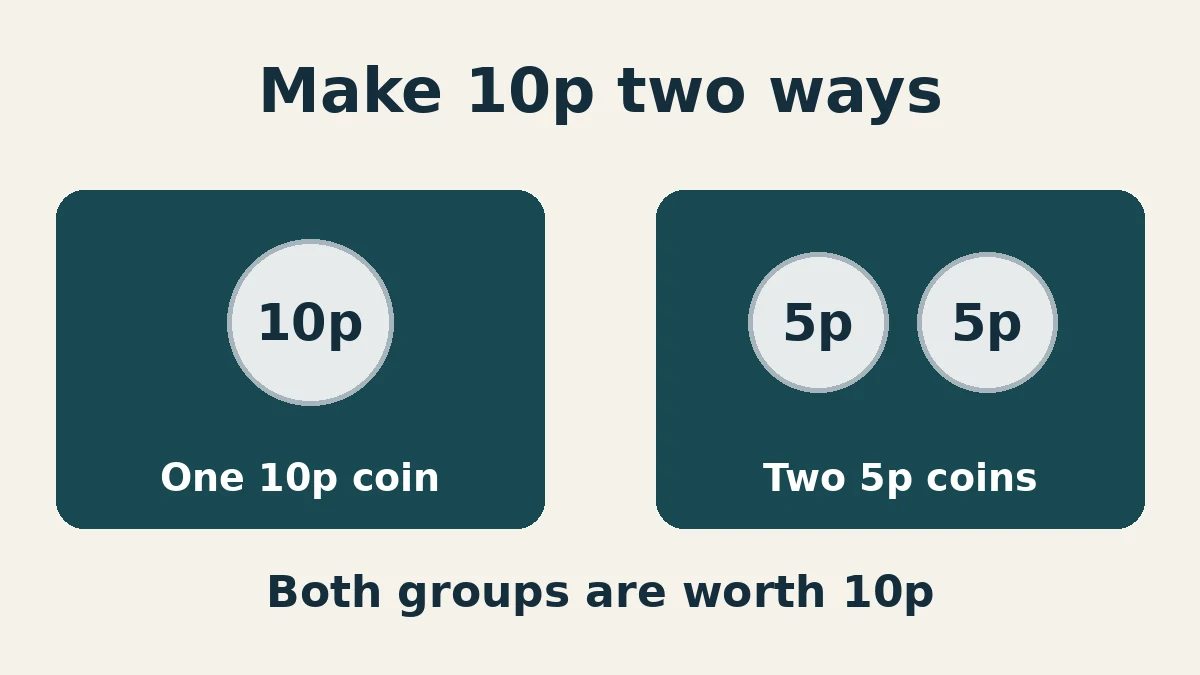
Try a ten-minute activity to separate the number of coins from how much money they are worth.
Read the guide →
Listen without pressure, agree a next step with school and check whether support is working.
Read the guide →
Prepare together with a clear sequence, practical access questions, familiar communication support and a plan for changes.
Read the guide →
Compare, group and record autumn leaves with accessible response choices and indoor alternatives for ages 5–8.
Read the guide →
A practical shared-reading routine for helping children connect a clue to an idea, with flexible ways to respond.
Read the guide →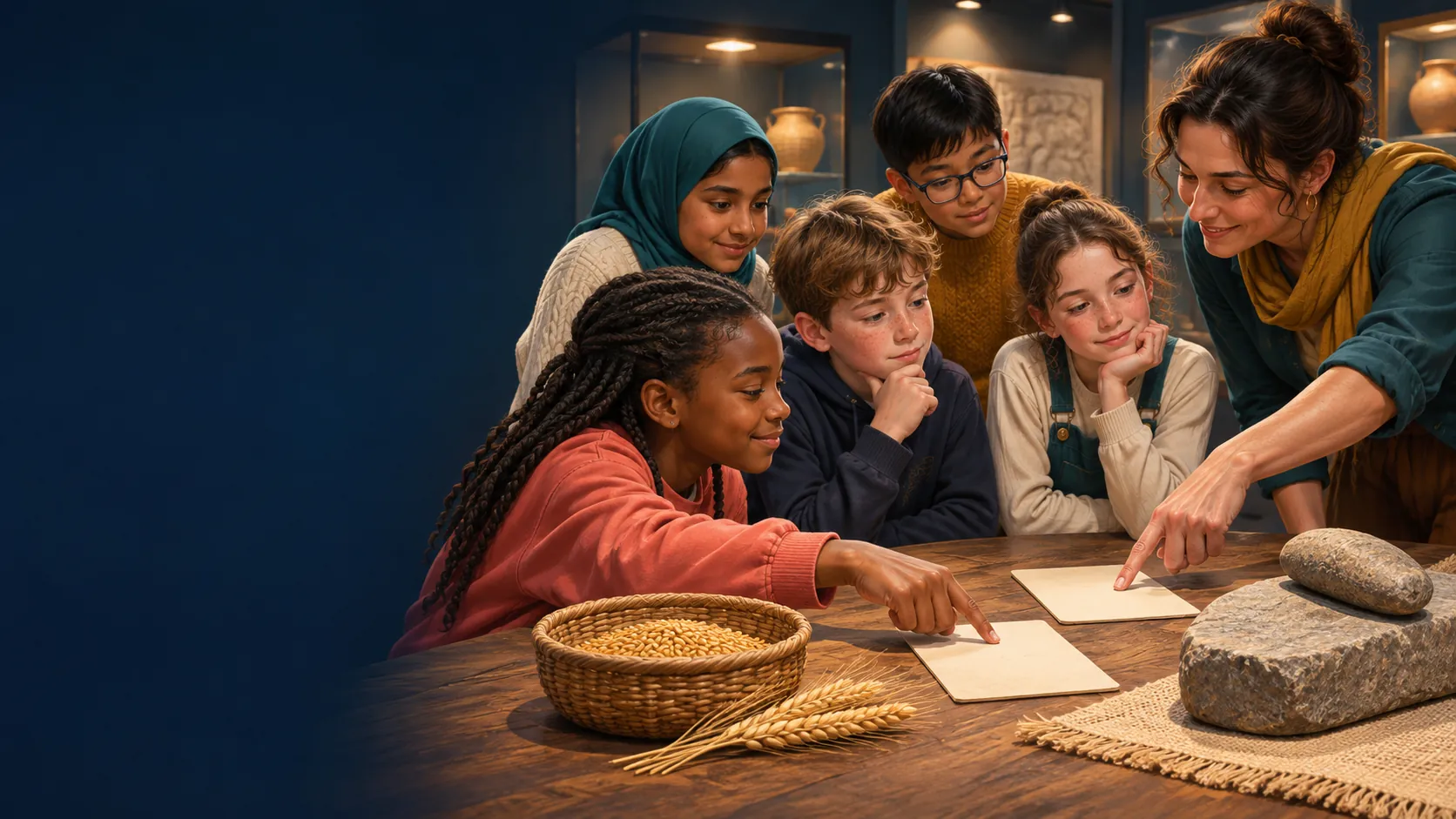
Investigate a grain-basket mystery across three inclusive history sessions, separating stories, archaeological evidence and possible explanations.
Read the guide →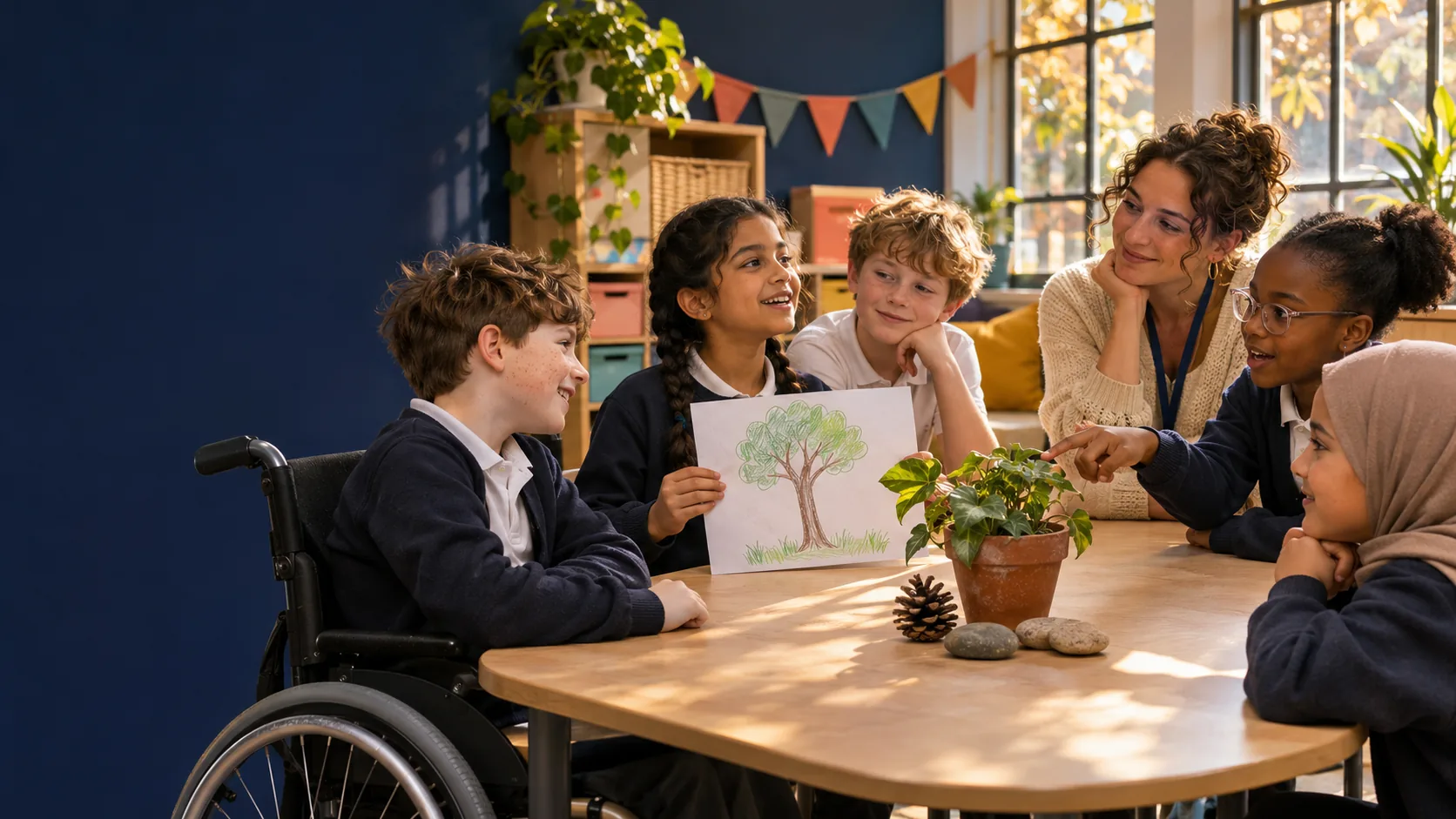
Offer communication choices, thinking time and practical ways for primary pupils to share their ideas, with a free school lesson.
Read the guide →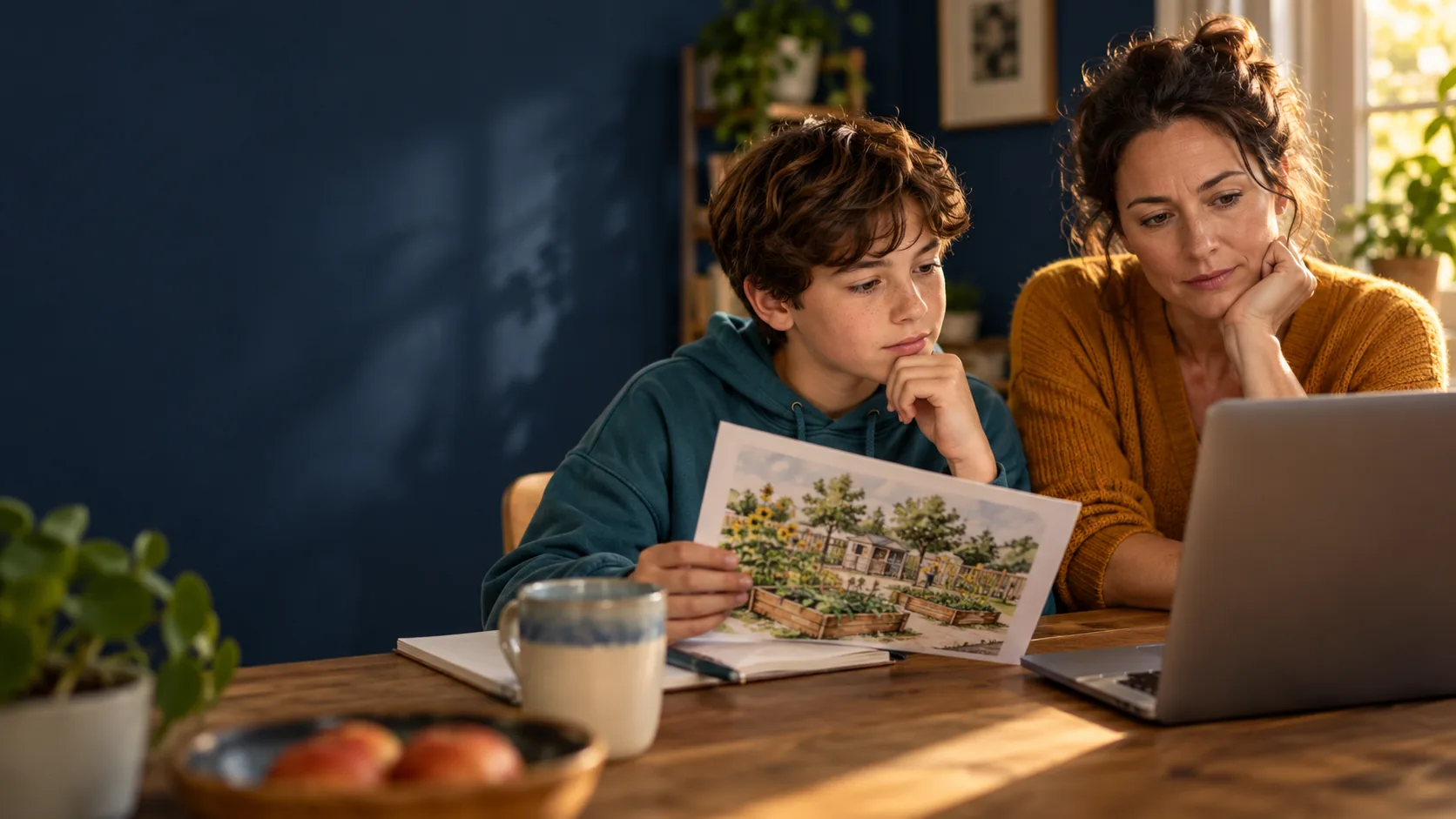
Try a supported fact-checking activity for ages 9–13: identify a claim, compare sources, spot missing context and decide what to do next.
Read the guide →
Plan a sensory-friendly Bonfire Night with practical choices, event questions, a clear exit plan and quieter activities for children at home.
Read the guide →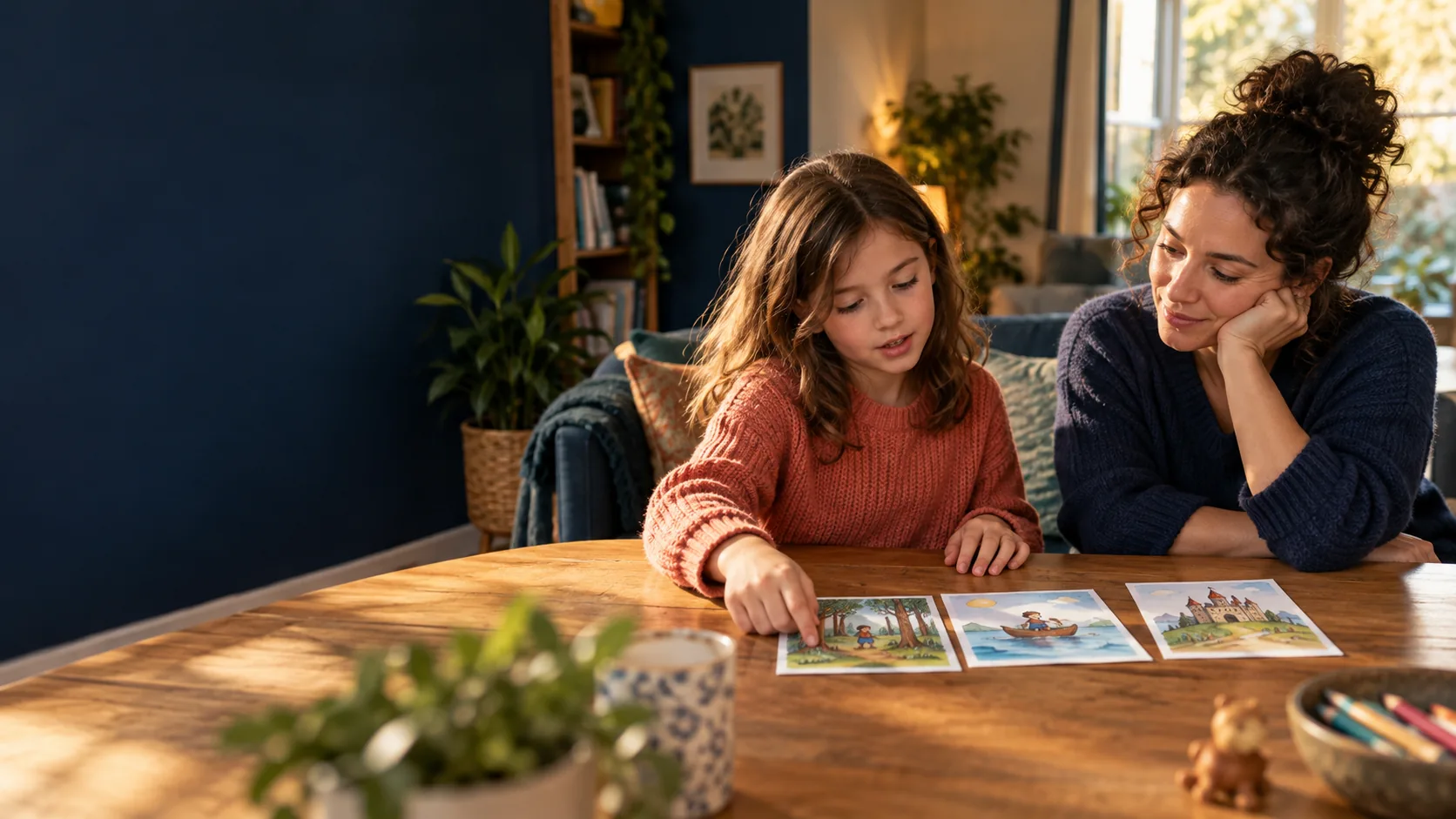
Help children share ideas when writing feels difficult, with seven practical approaches to planning, recording and reviewing work at home and school.
Read the guide →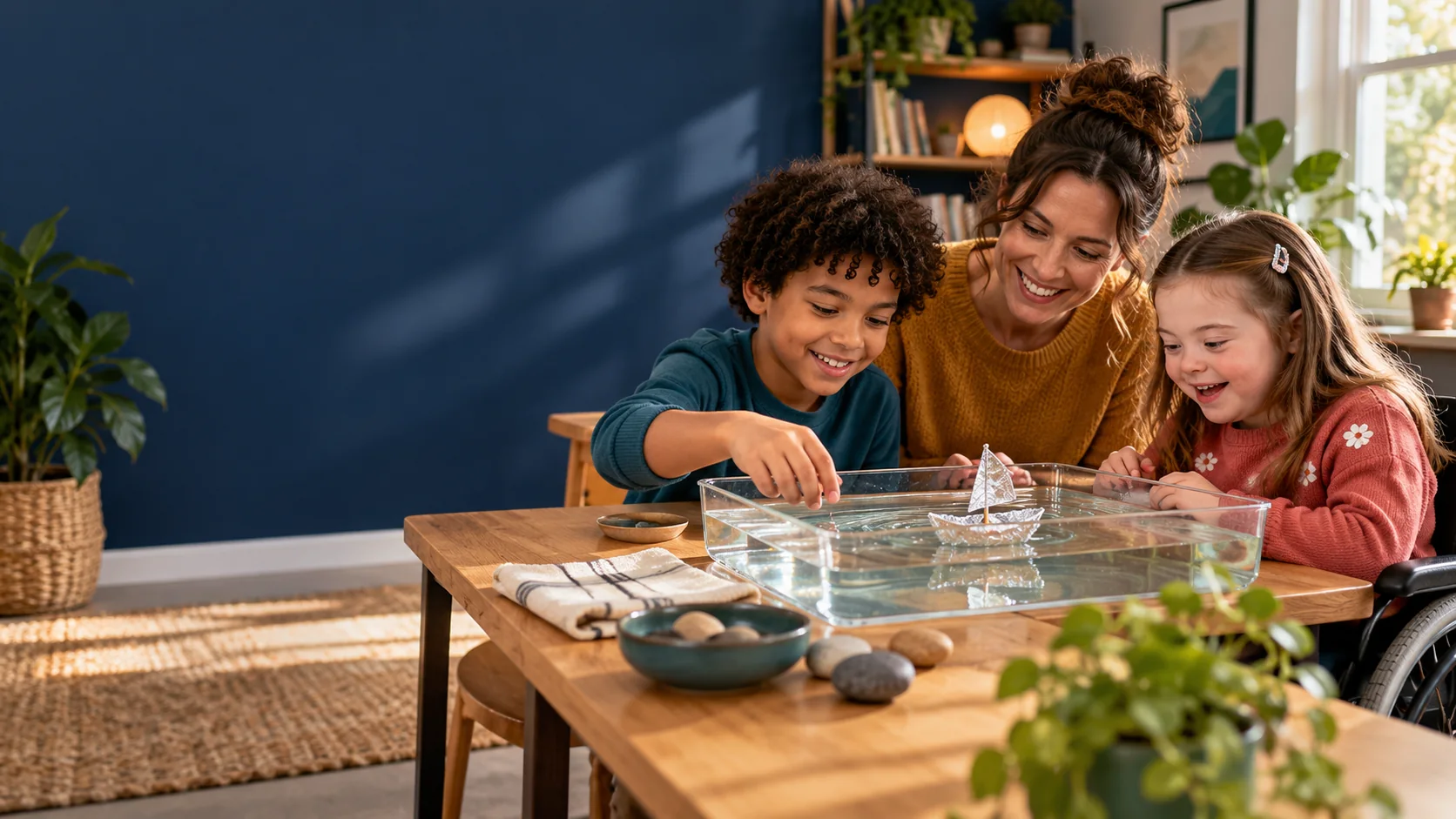
Explore sinking and floating with a simple primary science activity, accessible recording ideas and SEND-inclusive adaptations for home and school.
Read the guide →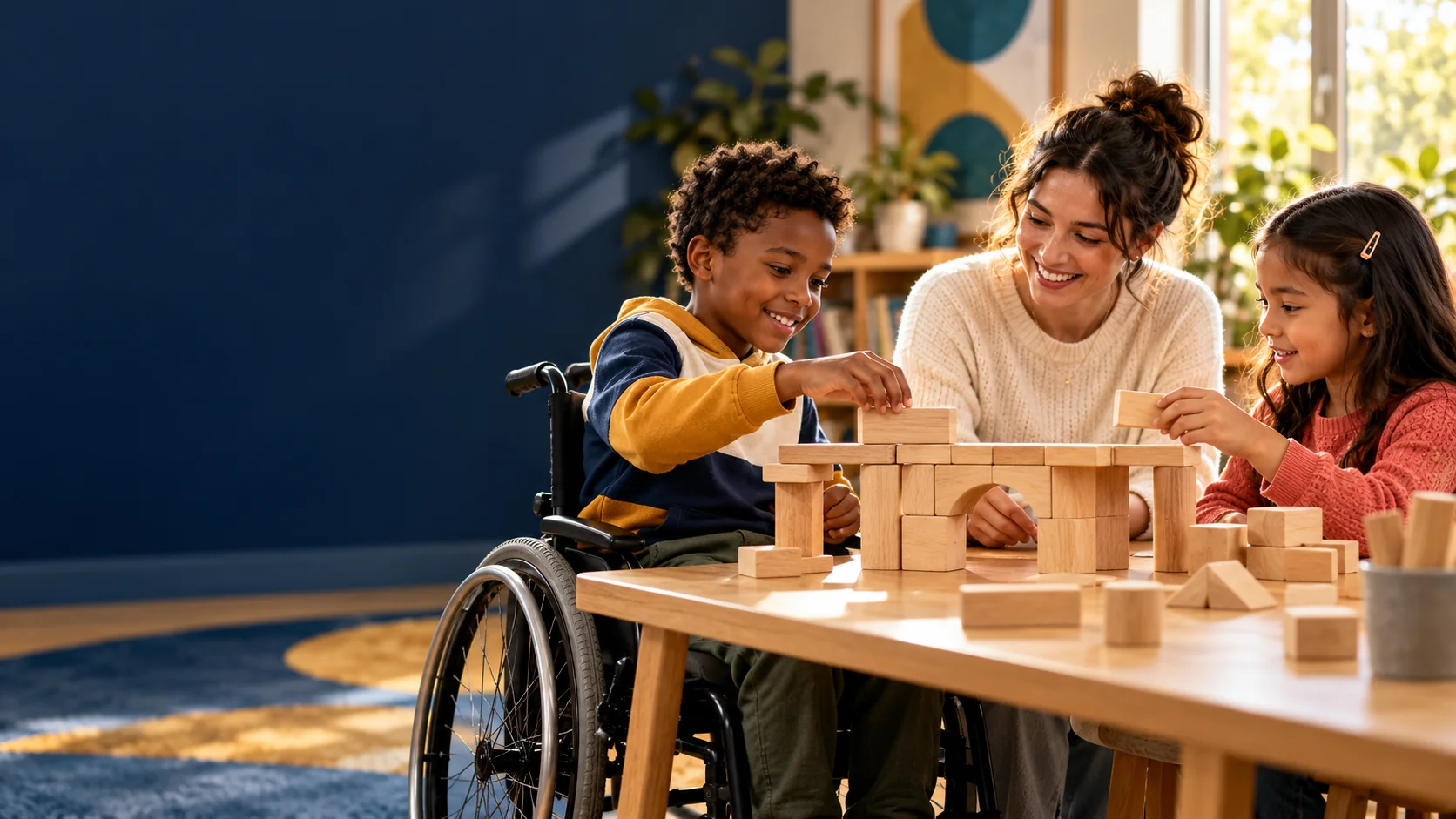
Try five practical turn-taking activities with SEND-inclusive adaptations, communication choices and simple materials for primary classrooms and home.
Read the guide →
Practical ways to support a child who dislikes reading, with manageable choices, shared stories and SEND adaptations for families and primary schools.
Read the guide →
Rising SEND figures, local plans and the practical questions families and schools should ask as reform moves towards delivery.
Read the article →
Build number confidence through ordinary routines, objects and conversation—without turning home into another classroom.
Read the guide →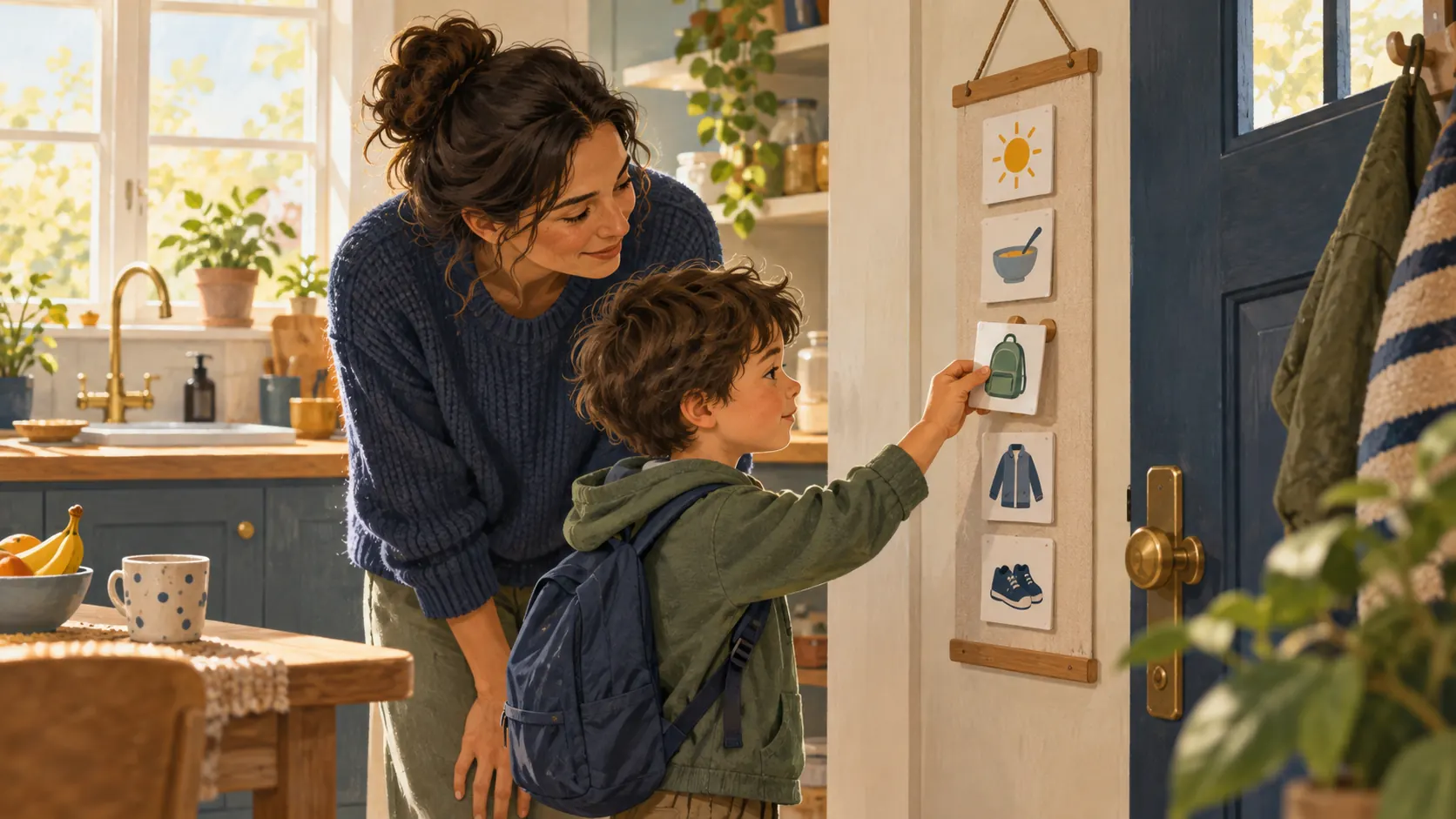
Build a manageable school-morning routine with a short picture sequence, realistic choices and a plan for the steps your child finds difficult.
Read the guide →
Turn a shared story into a thoughtful conversation about belonging, disability and access, with an adaptable activity for families and primary classrooms.
Read the guide →
A candid response to the new UK review—and why needs-led help must begin before diagnosis without weakening access to assessment.
Read the article →
A gentle, practical guide to supporting school anxiety in children, building predictable routines and working together with your child's school.
Read the guide →Learn how to make a visual timetable for children, choose clear pictures and use a simple routine at home or school without making it overwhelming.
Read the guide →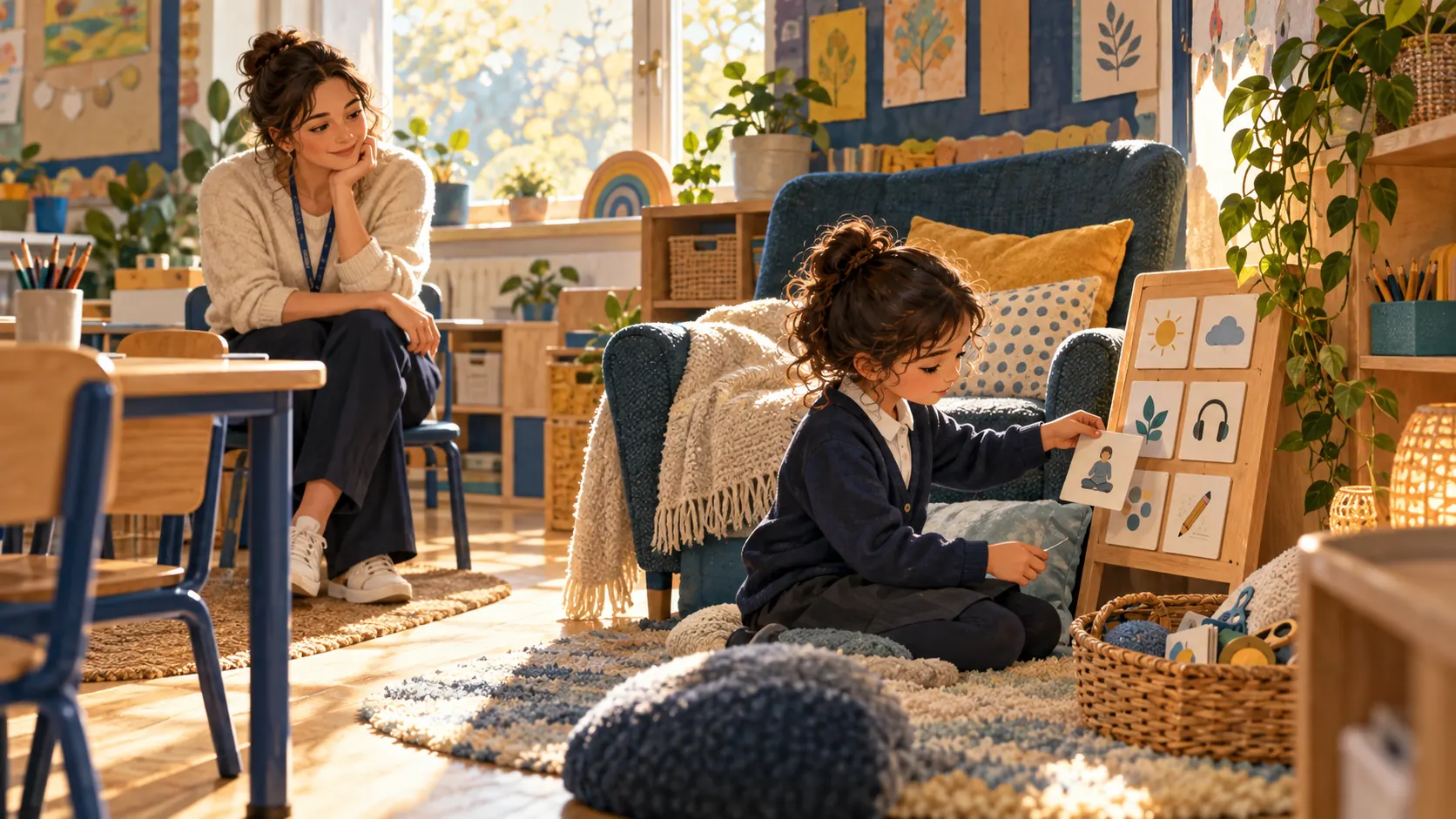
A practical guide to setting up a calm corner in the classroom: make it voluntary, accessible and useful, then review it with pupils and staff.
Read the guide →Browse story-led books, practical resources and school programmes from Hewston Higgins.