Why I started Hewston Higgins
I’m Jonathan Hewston. I started Hewston Higgins because I want more children with special educational needs and disabilities (SEND) to see their lives in books and get a chance to join in with stories.
What I bring to the books
I grew up with ADHD that people didn’t understand. I’m disabled and live with chronic pain, fibromyalgia, depression and generalised anxiety disorder (GAD). I’m also going through an autism assessment. These experiences shape the stories I write and the resources I make.
I want children to know that what they’re going through is something they can talk about. I want adults to learn what a child might be experiencing and ask what would help. Getting the right support early can make a world of difference. A story can be a place to start that conversation, and children can join in by listening, pointing, drawing, colouring or talking.
It’s me behind Hewston Higgins
I write the books, create the characters, design the resources and run Hewston Higgins myself. When you see a new story, activity or teacher guide, I’m the person who’s put it together.
This work is healing for me too. It gives me somewhere to put what I’ve lived through and a way to make something that might help another child feel understood. I make as much as I can because I want families and schools to have more stories to choose from.
In the Coventry Gazette
On , the Coventry Gazette wrote about the illustrated stories I publish and the classroom resources I make for children with different learning and communication needs.
Meet Rupert and Little Girl
Rupert and Little Girl are my two white Chihuahuas. Rupert is the bigger of the two. I kept their real names in the books because I wanted readers to meet the dogs I know.
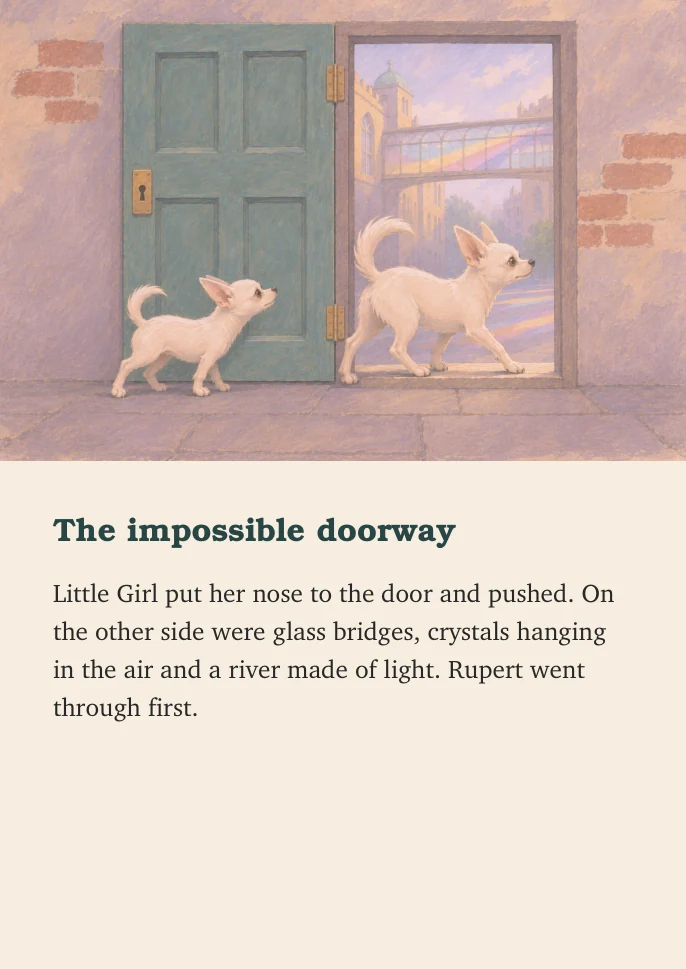
For The Vanishing Rainbow, I imagined what they’d do if a rainbow slipped past their paws. I thought Rupert would be first through the door, so that’s what he does.
How I make the books
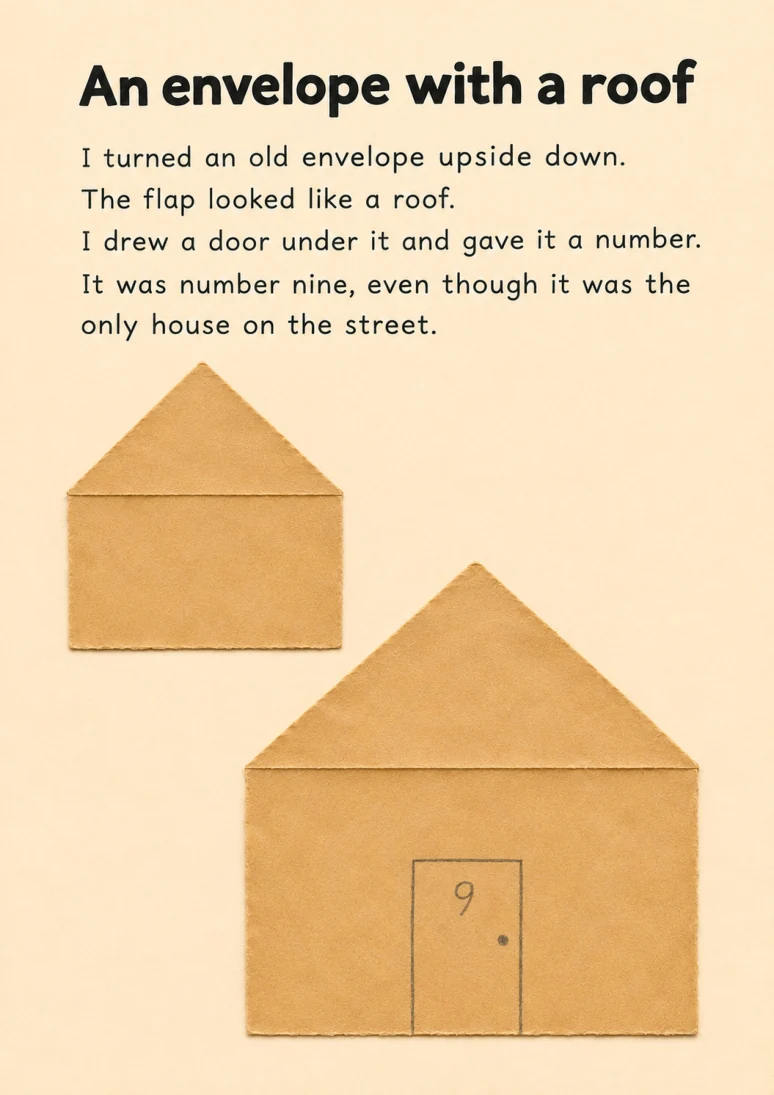
A book often starts with something I wish someone had understood when I was at school. Sometimes it starts with an ordinary thing, like turning an envelope upside down and seeing a roof. That gave me a page for The Museum of Things We Nearly Threw Away. Children can make their own little museum with things they already have.
I write the stories and design the resources myself.
When I make a worksheet to go with a book, I think about how a child can take part. They might want to draw, point, talk it through or ask someone to write their answer.
Find a story to share
Start with something your child is interested in or something they’re working through. There are short stories about everyday routines, books about feelings and learning differences, and longer adventures for older readers.
Little Steps
Early-years stories about brushing teeth and learning to use the toilet.
Feelings and friendship
Stories for talking about feelings, differences and asking for help.
Learning worlds
Maths, reading and science ranges turn curriculum ideas into visual adventures.
Older fiction
The Jelly Bean Emporium takes the storytelling into longer-form fantasy.
What you can do after the story
I make printable activities and teacher guides so you can come back to an idea from the story. Schools can also explore class programmes, visits and digital membership.
Teach Don’t Preach
Our upcoming education podcast brings together questions about UK education policy, SEND inclusion and practical inspiration for learning. Explore Politics or Pupils, Sending a Message and The Education Station.
Meet the podcast