

An older child can follow a whole story when you read it aloud and still get stuck reading three lines on their own. At home, the invitation to “read a bit more” may feel like another test. In class, taking a turn without warning can leave a pupil thinking about when their turn is coming instead of what the text means.
Try one short passage, a model of how it sounds and a choice about how to practise. This guide is for families and staff supporting older primary and early secondary readers who can read most words in a chosen passage but would benefit from help putting those words together smoothly. The worked example is original and free to use as part of this activity.
What reading fluency looks like
When I talk about fluency, I mean reading the words accurately, at a pace you can manage, with pauses and expression that help the sense come through. Try saying ‘The platform was empty’ word by word, then as one thought. You can hear the difference.
The Department for Education’s Reading Framework is guidance for schools in England and was expanded in July 2023 to include support up to Year 9. It discusses modelling, practice and the need for appropriate teaching for older pupils who still have difficulty decoding. The DfE’s April 2025 secondary reading training, also for England, offers further support for staff. The routine below is a practical suggestion, not an assessment, a replacement for planned reading instruction or a claim about any particular book.
Listen to a short passage and notice where the reading gets hard. Are the words difficult to recognise? Does the reader know the words but pause a lot? Ask them what’s happening in the passage as well. Their answer can help you work out what to practise first.
1. Choose a short text they will want to finish
Try two to four sentences that make sense on their own. Offer something the learner would actually choose, such as a story, a bit about an interest or a paragraph from a subject they study. Look for clear language and a topic that suits their age.
Read the passage yourself first. Find any word that is likely to interrupt the flow, and decide whether to explain it, model how to read it or choose something simpler. Check that the type is comfortable to read, the line breaks are clear and the learner has enough room to follow. Use their usual reading supports. A large print copy or a line guide can help a particular learner keep their place; ask which setup they prefer rather than assuming.
- Ask the reader to choose a short section.
- Read the first line together.
- Ask whether the words, sentence length and subject feel manageable.
2. Let the learner hear the meaning before their turn
Read the passage aloud at a pace you’d normally use. Let the learner follow the words if they want to. Use a finger or a plain marker if that helps them keep their place.
Here is a short original passage to try:
The platform was empty when Sam arrived. Then a light flickered at the far end. Sam took one step towards it and stopped. Someone was already there.
Say what you did: “I paused after ‘arrived’. The next sentence changes what we know about the platform.” You could model the phrase “at the far end” as one group of words. Explain flickered if it is unfamiliar. The point is to show how the reading helps the listener follow the scene. There is room for more than one sensible way to read it.

3. Offer a choice about how to practise
Ask how they’d like to join in before you start. They could read the first sentence with you, say a short phrase after you or practise quietly and decide later whether they want to read it aloud.
For reading together, point to the start and agree a pace that the learner can follow. Keep your voice light enough that they can hear their own. For echo reading, model a short meaningful phrase, then give them time to try the same phrase. If the whole sentence feels too much, try part of it. Do not make an unplanned switch to solo reading or ask a pupil to perform a passage they have not seen.
In a pair at school, agree that each person may ask for a pause or pass on a turn. Set a clear job for the listener: follow the text, then say what they noticed about the meaning. If a peer begins correcting every pause, model the role again. Paired reading should give a pupil space to practise, not put them in the position of being assessed by a classmate.

4. Read again for a reason
Give a purpose for the next read: “This time, listen for where Sam stops.” Then ask a simple question: “What made the empty platform feel different?” A learner might point to the line about the light or explain that someone was already there. Keep the discussion brief. A single question can tell you whether the reading made sense without turning the activity into a quiz.
If a word is missed or misread, help with that word in a way that fits the learner’s teaching. You might briefly model the word, check its meaning and read the phrase together again. If you need to supply most of the words, the passage is probably not a useful fit for this practice. Keep access to the story through shared reading if they want it, and choose something more manageable for their own reading turn.
If the second read feels easier, that may be a good place to stop. Let the learner choose whether to come back to it another day. If they’re getting tired of the passage, finish for now.
Check what carries over to the next passage
On another day, offer one new sentence with a similar shape: “The ticket office was dark when Sam got there. Then a voice came from behind the door.” Ask where it would make sense to pause and why. A learner might show you the place by pointing rather than reading the sentence out loud. If your aim is to check their actual reading, give them a private chance to read it as well. Familiarity with one rehearsed extract does not show that the same skill will appear in every new text.
In class, write down one thing you heard or saw. ‘Read the new phrase accurately after hearing it’ gives you something to build on. ‘Could explain the scene and needed help with three words’ tells you what to work on next.

Keep the routine small enough to use again
- If the learner does not want to read aloud: model the passage, offer a choice of a shared phrase or quiet practice and agree how they can show you when they are ready.
- If the passage has too many difficult words: shorten it or choose a more accessible text on the same topic. Do not confuse difficulty reading the print with a lack of interest in the ideas.
- If the learner can read the words but misses the meaning: model the phrase boundaries and ask what changes from one sentence to the next.
- If concerns persist: talk with the school’s literacy lead or SENCO about which part of reading is difficult and what support is already in place. The ten-minute routine is only one option.
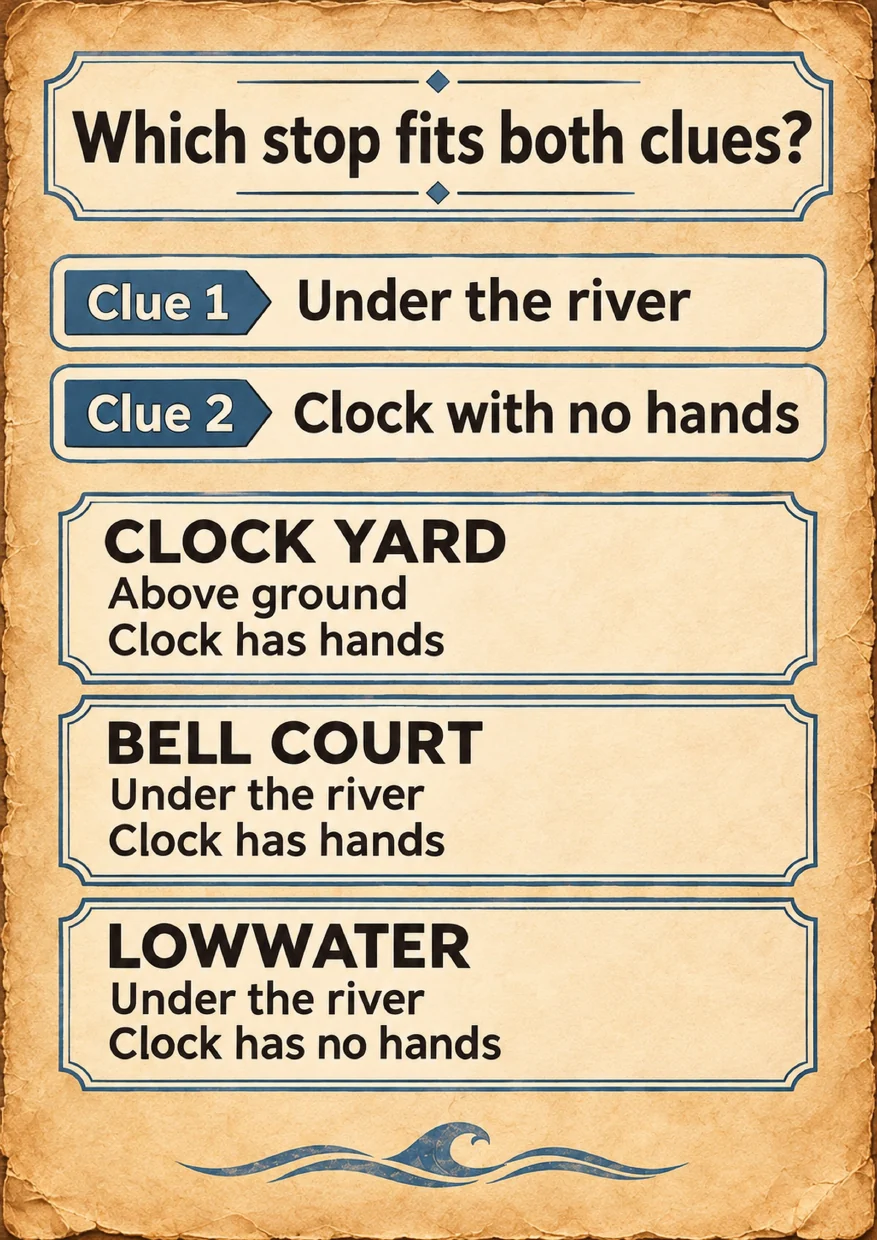
For a related activity about noticing clues in text, see teaching reading inference without a quiz. The Joss and the Vanishing Station book page is a separate story to explore if the railway setting appeals. Its public preview includes the original “Find the lost stop” sample page. Look at the complete page together and choose whether to read it to the learner or let them explore it. The Sam passage above is newly written for this guide, not an extract from Joss or a replacement for its original material. Browse the practical guides or compare membership options if you are choosing further resources. The activity works with a text you already have.
Sources and illustrations
Department for Education: The Reading Framework (expanded to Year 9 on 11 July 2023) and Supporting all readers in secondary school (28 April 2025), both for England. Checked 13 November 2026. The reading routine, example and prompts are editorial suggestions. The AI-generated illustrations show fictional scenes, not real learners, approved book artwork or evidence of school use.