
Children's books • learning worlds • SEND resources • school programmes
Hewston Higgins Books & Learning
Written by Jonathan Hewston • Sources reviewed October 2026 • Educational information, not clinical advice.
SEND topic resources

Children’s anxiety books & Wavy Worries resources

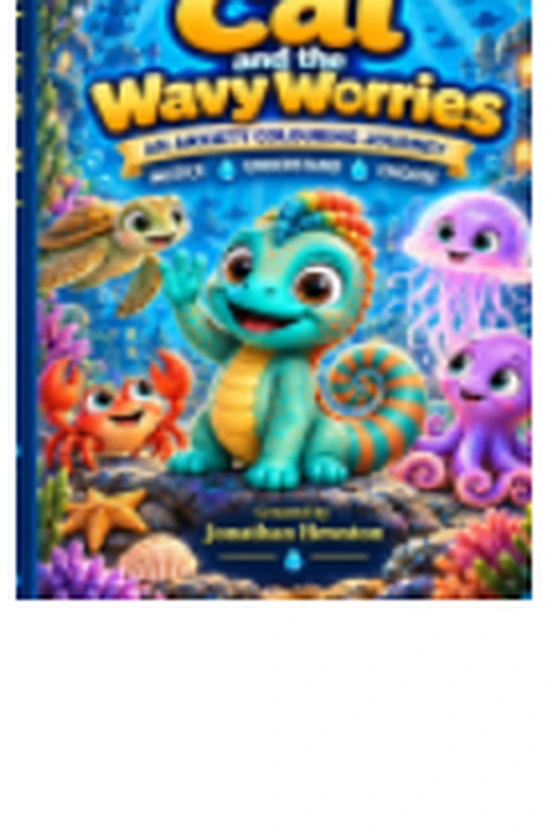
A visual way to talk about worries, body clues, choices and supportive strategies.

What the resource is designed to do

Make the topic easier to approach and talk about.

Rather than presenting anxiety as a list of deficits, the Cal format uses story, characters and practical prompts to explore different experiences, strengths, challenges and possible supports.

  • Help children notice and name worry experiences
  • Use story distance so difficult topics can be discussed through a character
  • Explore more than one possible calming or support strategy
  • Encourage adult support when worries feel too big to manage alone

These are educational resources, not diagnostic or therapeutic materials.

Children’s anxiety books & Wavy Worries resources
Detailed guide

Child anxiety: practical context for families and schools

Worry is normal — until it gets in the way

The NHS notes that worry and anxiety are normal at times, including around school and nursery, but may need more support when anxiety is strong, persistent or interferes with everyday life.

Children may show anxiety differently

Some children can explain what they are worried about; others may show irritability, clinginess, sleep difficulties, physical complaints or avoidance. Books can give adults a neutral starting point for talking about body clues and feelings.

Naming and noticing

A story-led resource can help a child notice what worry feels like without demanding a personal disclosure straight away. That can make discussion feel less confrontational and more exploratory.

Small next steps

The goal is not to promise that a book will remove anxiety. Wavy Worries is designed to support language, reflection and manageable next steps, while adults remain responsible for seeking appropriate help when anxiety is affecting daily life.

When to seek support

If anxiety is persistent, worsening or interfering significantly with school, home or social life, NHS guidance recommends seeking professional help. Educational resources should complement, not delay, that support.

How we use evidence

Hewston Higgins separates educational design choices from clinical claims. Government, NHS, NICE and EEF sources are used to explain the context; the books themselves are presented as educational resources, not proven treatments.

Written by Jonathan Hewston • Reviewed October 2026
Practical use

Using story resources around worry and anxiety

Children can experience worry in many different ways. Some worries are temporary and manageable with ordinary reassurance and support; persistent or severe anxiety may need professional assessment or treatment. Books can help with language and discussion, but they are not a substitute for that care.

Make the feeling easier to name

A fictional character can create enough distance for a child to talk about what worry feels like without immediately having to disclose something personal. Adults can then invite, rather than force, connections to the child's own experience.

Avoid promising that worry will disappear

The goal of an educational resource should not be to guarantee calm. More realistic aims are recognising feelings, identifying possible triggers, considering supportive actions and knowing when to ask an adult for help.

Keep support proportionate

For everyday classroom worries, a story and simple activity may be enough to start a conversation. Where anxiety is persistent, severe, linked to risk, or significantly affecting daily life, families and schools should seek appropriate professional support.

Use with professional judgement

Hewston Higgins resources are educational materials. They do not diagnose, treat or replace individual educational, medical or therapeutic support.

Read the evidence and claims policy →