Before “difficult” sticks
A child who cannot focus, regulate, communicate or cope with a transition may be showing an unmet need. The right conversation can replace judgement with curiosity.

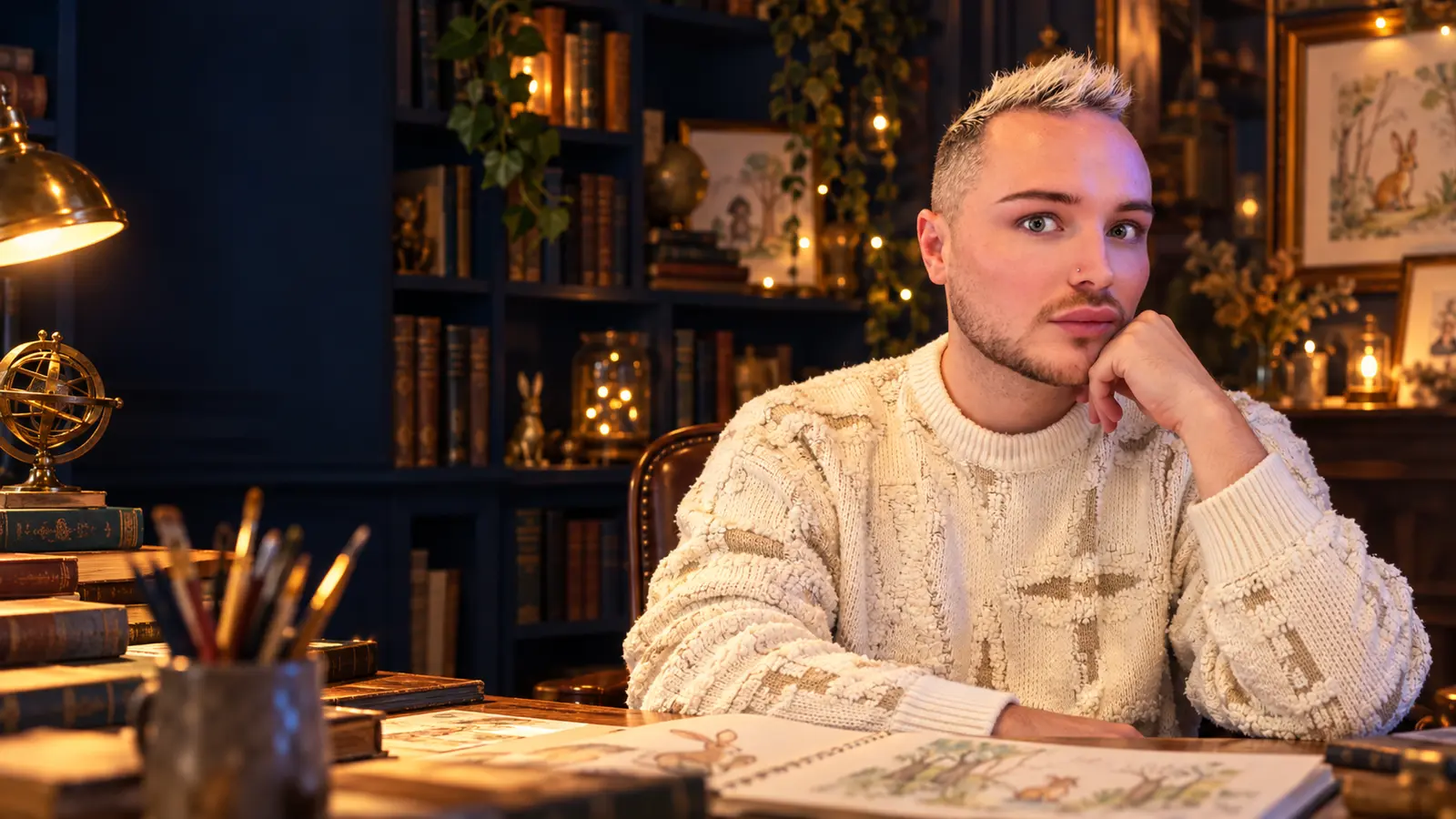
I am a disabled and neurodivergent children’s author, creator and resource designer. Hewston Higgins grew from my own experience of ADHD, school exclusion, chronic pain, disability and mental-health struggles—and from my determination to help children feel understood earlier.
I have lived through real highs and lows. I was expelled from school. I grew up with ADHD that was not properly understood, and I know how quickly a child can be seen as difficult when the real problem is that their needs have not been recognised.
I carried many of those experiences into adult life. I live with ADHD, generalised anxiety disorder and fibromyalgia. I have also experienced depression and serious periods of poor mental health. Injuries and disabilities affecting my legs and back have changed my mobility, my independence and the rhythm of everyday life. There have been long periods when pain and poor health have left me bed-bound.
These experiences are not a marketing story added after the books were made. They are part of why the books exist.
“I cannot change the support I missed, but I can create something that helps another child feel seen sooner.”
Disability changed where and how I could work. It did not remove my ideas or my determination to build them.

I have developed much of the Hewston Higgins world during periods when I have been bed-bound, working around pain, fatigue, anxiety and the practical limits of disability. With support from my aide and the people around me, I kept writing, planning characters, shaping learning journeys and turning ideas into books and resources.
Creating became more than work. It gave difficult days a purpose. Every world, character and activity moved the project forward, even when progress had to happen in small pieces.
I do not want children to see disability or neurodivergence as the end of their story. I want them to see that their ideas, strengths and futures still matter.
My central aim is to help children receive understanding, language and practical support earlier than I did.
A child who cannot focus, regulate, communicate or cope with a transition may be showing an unmet need. The right conversation can replace judgement with curiosity.
Repeated failure can become a child’s view of themselves. Stories and accessible activities can offer safer ways to practise, reflect and experience success.
Characters who struggle, adapt and belong can help children recognise that difference is not something to hide and that asking for help is a strength.
No book can promise to prevent every difficulty, and Hewston Higgins resources do not replace teachers, clinicians or individual support. But timely, thoughtful intervention can help prevent some avoidable distress, isolation and loss of confidence. That possibility is the reason I keep creating.
My work brings difficult subjects into imaginative worlds children want to enter—giving families, teachers and SEND professionals practical starting points for conversations about feelings, routines, attention, anxiety, learning differences, friendship and confidence.
Characters, stories, learning journeys and practical resources are developed together so that imagination always leads somewhere useful.
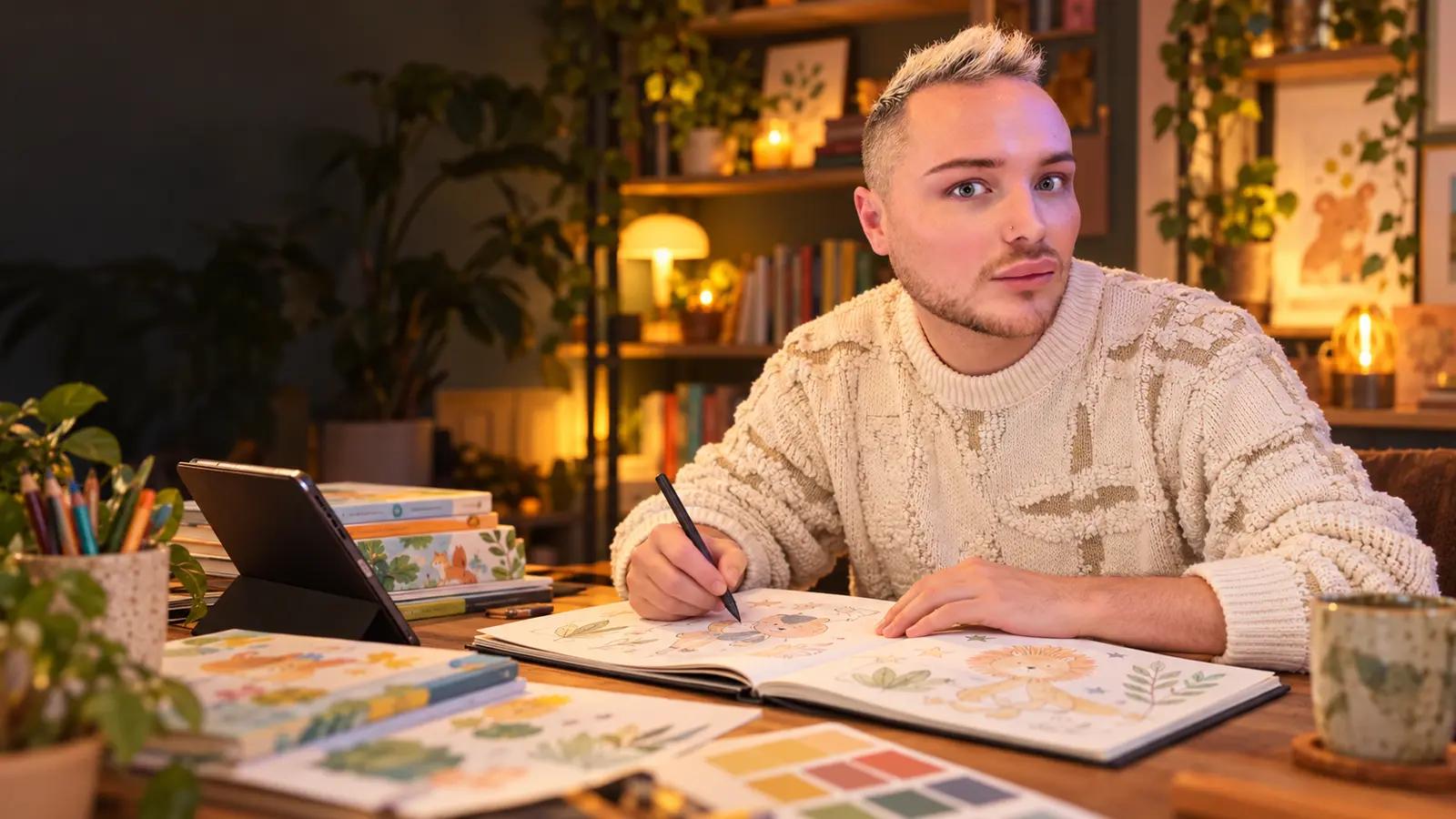
Each range meets children at a different age or need, while keeping story, dignity and imagination at the centre.
Story-led colouring adventures exploring ADHD, autism, dyslexia, dyspraxia, anxiety, sensory needs, confidence, friendship and resilience.
Explore CalGentle adventures for younger children around routines such as brushing teeth, getting dressed, bath-time and starting nursery.
Explore First StepsCharacter-led maths worlds that make counting, patterns and early problem-solving feel concrete, memorable and inviting.
Explore Beeazy MathsLonger adventures and original fiction bring the same belief in courage, difference, belonging and imagination to older readers.
Explore fictionI create children’s books, printable SEND resources, classroom wellbeing tools and school programme materials. They are designed to help adults begin useful conversations and give children visual, practical ways to understand what they are experiencing.
I created Hewston Higgins because I believe children deserve understanding before crisis, support before shame and stories that make room for who they really are. If one child feels less alone—or one adult sees that child differently—the work matters.