Year 6 · 20 minutes
Year 6 reading: The Last Bus
Read a short mystery and explain an inference with evidence. Includes read-aloud and dyslexia-friendly teaching options.
Open Year 6 reading: The Last Bus
I make resources for different ages and ways of taking part. Start with a free classroom sample, or go straight to the secondary and post-16 materials if you teach older pupils.
Open a pupil sheet and teacher notes. Read online or print a low-ink copy on A4.
Year 6 · 20 minutes
Read a short mystery and explain an inference with evidence. Includes read-aloud and dyslexia-friendly teaching options.
Open Year 6 reading: The Last BusKS1 and KS2 · 10 minutes
Use six word-based communication cards to ask for a repeat, help, time, quiet or a break.
Open What I need right nowYears 5–7 · 15 minutes
Plan the first three steps in a new setting and agree who can help if the plan changes.
Open My first ten minutesChoose by age, reading demand and teaching goal. These materials can also be considered for alternative provision.
Three short stories with vocabulary previews and activities. The reading pack and its matching audio have separate listings.
Explore membershipExplore budgeting choices and everyday money with an illustrated story.
Explore The Month AheadPractice on expressions and equations, including worked examples. The full revision pack is available to eligible members.
See the GCSE algebra revision packPlan a first week at home, practise a journey or appointment, and work out who to ask for help.
Explore practical SEND supportpupils in England had an EHC plan or received SEN support in 2025/26.
Department for Education. Figures and definitions should be read in the context of the official release.
Read the evidence pageChoose a story for shared reading, a visual prompt for discussion or a pupil activity to practise a skill. The free samples above show the pupil sheet and teacher notes together.
More than 1.8 million pupils in England had identified SEN in 2025/26.
Nearly one in five primary pupils had SEN support or an EHC plan in 2025/26.
Allocated to schools for 2026/27 to strengthen inclusive mainstream practice. This funding is not specifically earmarked for Hewston Higgins.
A school resource library works best when it solves practical problems for staff. Before buying, consider whether a resource has a clear teaching purpose, can be adapted for the pupils who will use it, and provides enough follow-up material to justify the time and cost of introducing it.
Physical books can remain in classrooms, libraries, nurture spaces or SEND provision, while teacher packs and printables support repeated use. This can make a class set more valuable than a one-off activity, particularly when the same topic appears across year groups or pastoral work.
Resources should support rather than replace good teaching, individual plans or specialist advice. Hewston Higgins materials are designed to sit within ordinary classroom, SEND, nurture and pastoral work, with staff deciding how and when they are appropriate.
Digital membership is licensed by pupil roll. Physical books, class programmes and visits remain separate buying routes so schools can choose the combination that fits their current priorities rather than paying for a single oversized package.
Hewston Higgins resources are educational materials. They do not diagnose, treat or replace individual educational, medical or therapeutic support.
Read the evidence and claims policy →Give approved staff access to eligible digital books, SEND activities, posters and teacher resources under one registered-setting licence. Named SEND teams start at £149 a year. Small Whole School membership is £299 a year, and larger schools and trusts receive an individual quote. Download allowances apply; physical books and visits are separate.
Schools in England can consider relevant funding routes when planning inclusive provision. Any purchase must meet the applicable conditions and your school’s assessed needs; funding is not automatically available for Hewston Higgins membership.
Start with a learning goal, the pupil’s interests and the way they prefer to respond. A story, a visual prompt and a practical activity can be used together or separately.
Use maths, art, science or history as a starting point. Preview the activity, check the vocabulary and offer practical materials or a spoken response where useful.
Browse teaching activities by subjectChoose physical school books and class sets for shared reading and pupil copies. Browse Explore membership for individual classroom purchases. Compare school membership licences when several staff need eligible resources within one registered setting. Check each listing for the included files, age guidance, print sizes and current availability.
SEND stands for special educational needs and disabilities. Pupils with similar labels can have different strengths, preferences and support needs, so choose and adapt materials for the individual child.
Teachers can use suitable materials for whole-class discussion, small groups or individual support. Preview the resource first and adapt language, timing, sensory demands and response options for your pupils.
Physical books and class sets are separate purchases. Membership provides eligible digital resources under the plan’s licence and download allowances. Check the comparison page for the setting and pupil-roll band that applies.
Explore the and free activities. Use the sample to check whether the style, reading demands and tasks suit your pupils.
Eight connected SEND lessons exploring choices, shared ideas and learning through play. Includes printable teaching resources and offline whiteboard activities.
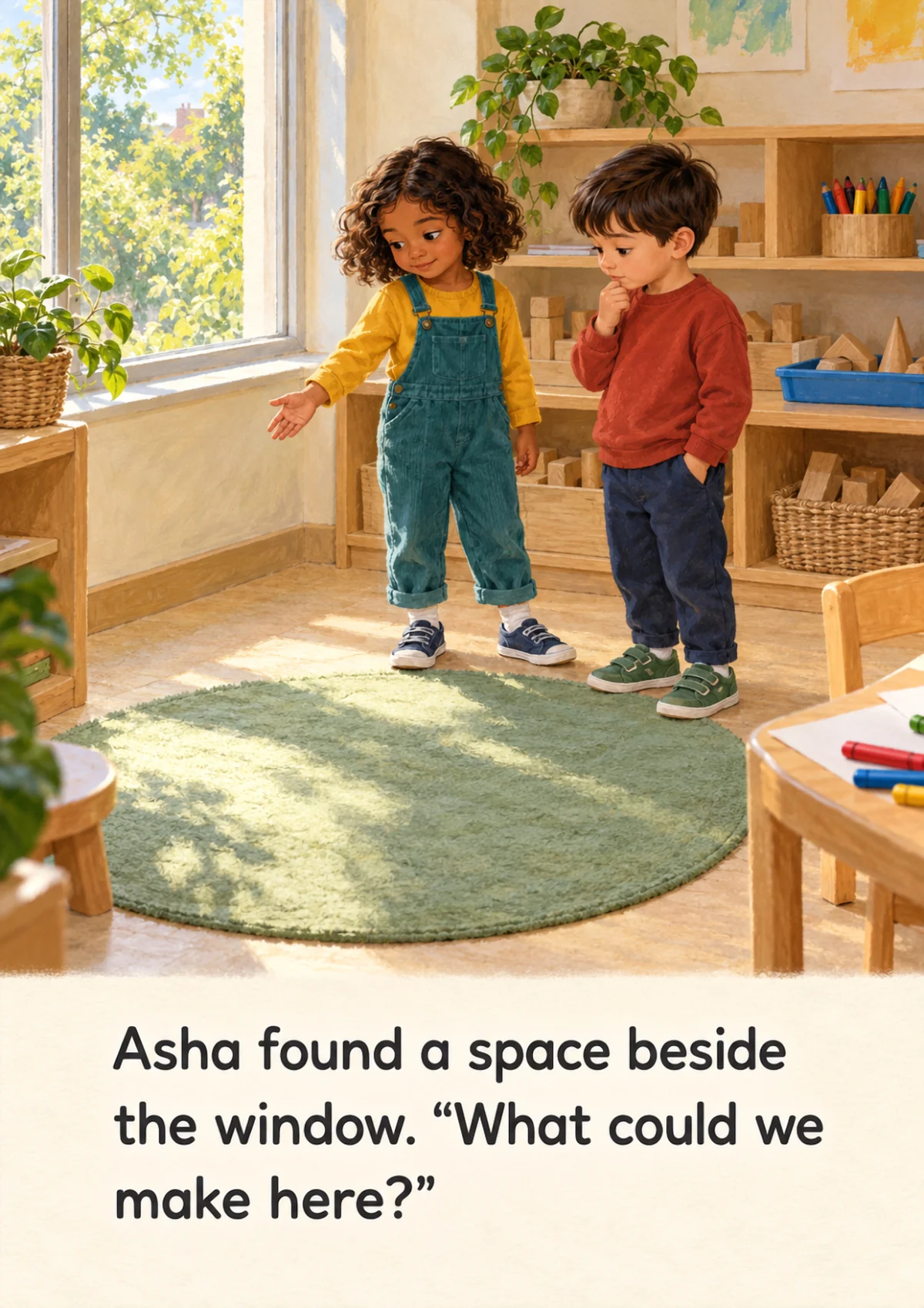
Eight connected SEND lessons for ages 5–7, with meaningful practical challenges and flexible ways to participate.